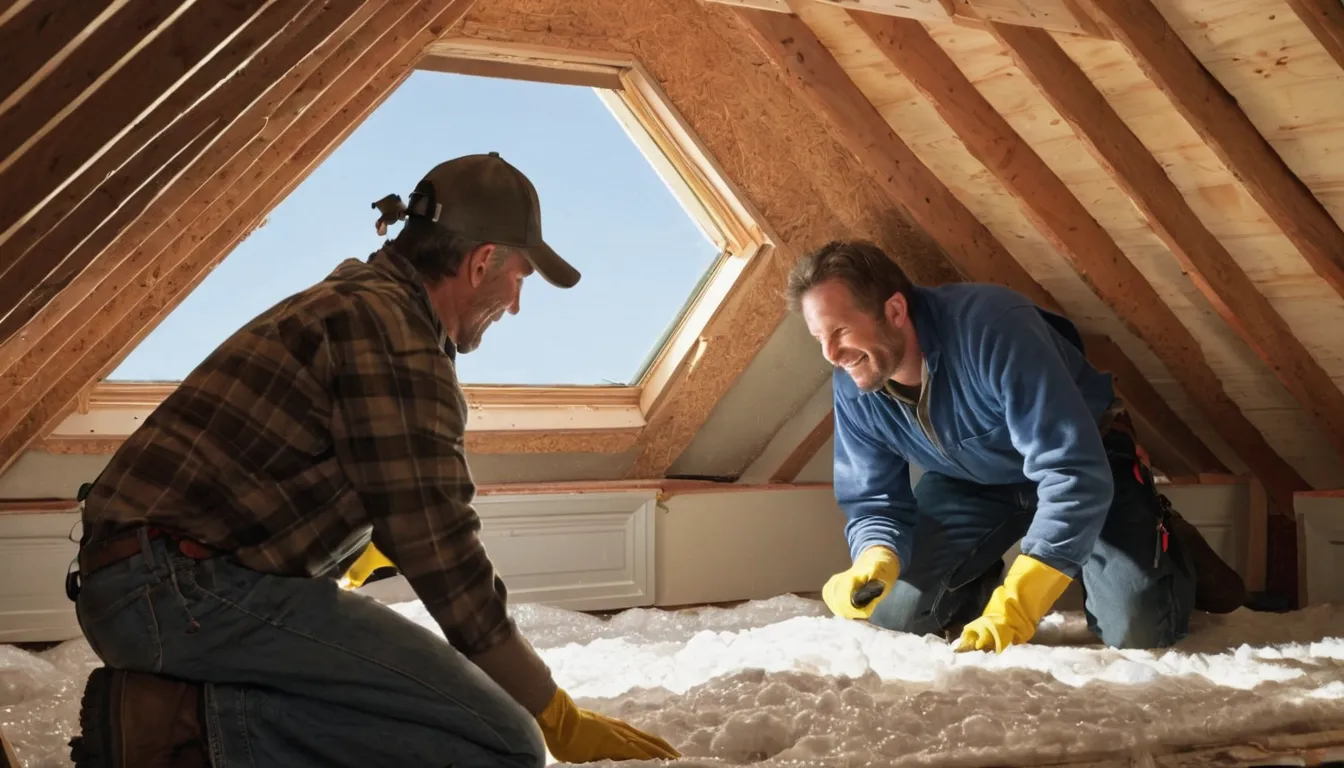
Rodent & Wildlife Removal in Kansas City
Domesticthinks Pest Control is a referral service. We connect homeowners in Kansas City and the Kansas City area with independent providers who handle rodents and wildlife. The providers do the inspection, trapping, exclusion and cleanup. Domesticthinks Pest Control does not do the work, and each provider sets its own terms.
This page works like a checklist. First, you identify the signs. Next, you get connected. Then you compare written quotes and decide. If you are searching for an exterminator near me for mice, rats, squirrels, raccoons or bats, start here. You will also see what a homeowner can safely do and where professional tools and training are needed.
Animals in the Attic or Walls? Start Here
Scratching overhead. Droppings in the pantry. A nest in the garage. Use this short checklist. First, identify it. Next, get connected. Then compare quotes.
Request a callback to check provider availability in your area.
First, Identify It: Signs to Check
Walk through the house and note what you find. Write it down, because a provider will ask.
- Sounds: scratching, thumping or chirping in walls and ceilings, often at dusk or dawn.
- Droppings: small pellets suggest mice or rats. Larger piles point to squirrels or raccoons.
- Damage: gnawed wires, shredded insulation, chewed boxes or torn vent covers.
- Smells: a sharp or musty odor near vents, attics or crawl spaces.
- Entry points: gaps at roof edges, soffits, vents, pipes and the foundation.
Why Speed Matters
A small problem grows. Rodents breed quickly, so two mice can become a crowd. Chewed wiring is a fire risk. Wet insulation loses its value. Nests also pull in other pests.
Our region adds pressure. Cold winters with deep frost push animals into warm attics and basements. Spring flooding drives burrowing animals toward foundations. Storm damage to roof edges opens new doors.
What You Can Safely Do While You Wait
These steps are low risk and can help:
1. Store food and pet food in sealed containers. 2. Pick up fallen fruit and bird seed. 3. Keep trash lids tight. 4. Take photos of droppings, damage and any holes. 5. Log the times you hear noise.
Where DIY Stops
Some jobs need training and equipment. Leave these to a provider:
- Anything in an attic, wall or crawl space you cannot fully see.
- Raccoons, skunks and bats. They can bite or carry disease.
- Sealing holes. If an animal is still inside, it can die in the wall or young can be left behind.
- Cleaning heavy droppings. Dust can carry germs, so protective gear matters.
- Poison in a home. Animals may die where you cannot reach them.
Common Animals Providers Handle
Providers in our network commonly deal with:
- House mice and Norway or roof rats
- Squirrels and chipmunks
- Raccoons and opossums
- Bats
- Skunks and groundhogs
Ask the provider which animals they handle. Not every company takes every species. Some jobs also fall under wildlife removal rules, so a general exterminator near me search may not find the right match.
Next, Get Connected
Tell us what you saw, where you saw it and for how long. Then a local provider can reach out. Many providers can respond quickly, but availability varies.
Request a callback to talk it through, or use the request form if you prefer to write it down.
How Removal Usually Works
Steps vary by provider, but the order is often like this:
1. Inspection: the provider finds the animal, nest and entry points. 2. Plan: you get a written quote that explains the method. 3. Removal: traps, one-way doors or other tools are used. 4. Exclusion: holes are sealed with durable materials. 5. Cleanup: droppings and soiled insulation may be removed. 6. Follow-up: some providers return to confirm the problem is gone.
Humane Handling and Local Rules
Rules differ by state and even by town. Some animals are protected. Bats may be off-limits during nesting season. Moving a trapped animal to a new place may be limited. Licensed providers know the local rules, so ask how they handle them. Ask what happens to the animal after capture.
Older Homes, Basements and Attics
Many local homes are frame houses with decades of settling. Bungalows and ranch homes often have shallow attics and low eaves. Full basements with sump pumps can offer damp, quiet spots for nests. Ask the provider to check all three zones, not just where you heard the noise.
Then Compare Quotes
Get at least two written quotes when you can. Compare these items:
- What is included, and what costs extra
- The method used to remove the animal
- Whether sealing and cleanup are part of the price
- What follow-up visits cover
- How long any warranty the provider offers lasts
Keeping Animals Out
Prevention is a short list:
- Trim branches at least a few feet from the roof.
- Cap chimneys and cover vents with sturdy screens.
- Seal gaps around pipes and cables.
- Fix loose fascia and soffits after storms.
- Keep firewood away from the house.
- Check the sump pit lid and basement windows.
Damage and Insurance Notes
Some policies may cover sudden damage. Check your policy for details. Providers can often help document damage with photos and notes for a claim. Wear and tear from a long infestation is often treated differently.
Ready to Move?
If you are comparing options, request an estimate and review the written quote at your own pace. There is no obligation.
What's Included
Inspection and Entry Points
A provider looks for nests, droppings and the gaps where animals get in, then explains what was found.
Trapping and Removal
Traps or one-way doors are placed to remove animals using methods that follow local rules.
Sealing and Exclusion
Holes and weak spots are closed to help keep animals from returning.
Cleanup and Repairs
Some providers offer droppings cleanup, insulation replacement and minor repairs for damaged areas.
Typical Rodent and Wildlife Removal Costs
Prices vary by animal, home size, access and region. These are typical U.S. ranges only. Always ask for a written quote that lists what is and is not included before work starts.
| Item | Typical range | Notes |
|---|---|---|
| Inspection | $75 – $300 | Some providers credit it toward the job |
| Mouse removal | $150 – $600 | Depends on the number of visits |
| Rat removal | $300 – $900 | Higher if burrows or attic nests are found |
| Squirrel or raccoon removal | $250 – $900 | Depends on the number of animals and access |
| Bat exclusion | $500 – $3,500 | Timing rules may apply |
| Sealing entry points | $200 – $1,500 | Varies with the number of gaps |
How It Works
Identify the Signs
Note sounds, droppings, damage and smells, and take photos so the provider can understand what is going on.
Call or Request an Estimate
Request a callback to check provider availability, or send the request form with your details.
Review the Written Quote
Compare the method, what is included and the price before you agree to anything.
Schedule the Provider Visit
Pick a time with the provider and prepare access to the attic, basement or crawl space.
Why Call Domesticthinks Pest Control
Less Time Searching
Describe the problem once and get matched with a local provider instead of calling around.
Independent Providers
Each provider sets its own methods, terms and written quotes, so you can compare them.
Clear Checklist
Identify, connect, compare. The simple order keeps you from guessing what to do next.
No Obligation
Request an estimate and read the written quote first. You decide whether to move forward.
Other Services
Need rodent & wildlife removal in Kansas City?
Describe your pest or wildlife problem through the request form. Or request a callback to check provider availability. A local provider can then follow up with next steps.
No obligationRodent & Wildlife Removal FAQ
How do I know if I have mice, rats or something bigger in my attic?
Check the sounds and droppings. Light, quick scratching and small pellets suggest mice or rats. Heavy thumping and larger droppings point to squirrels or raccoons. A provider can confirm after an inspection.
Can I seal the holes myself to keep animals out?
Not until you are sure the space is empty. Sealing too soon can trap animals inside or leave young behind. A provider can use one-way doors first, then close the openings once the animals have left.
Is it safe to clean up rodent droppings on my own?
Small amounts can be handled with care. Wear gloves and a mask, dampen the area and avoid sweeping dry dust. For large amounts in an attic or crawl space, ask a provider about cleanup.
Request a callback
Describe your pest or wildlife problem through the request form. Or request a callback to check provider availability. A local provider can then follow up with next steps.
No obligation