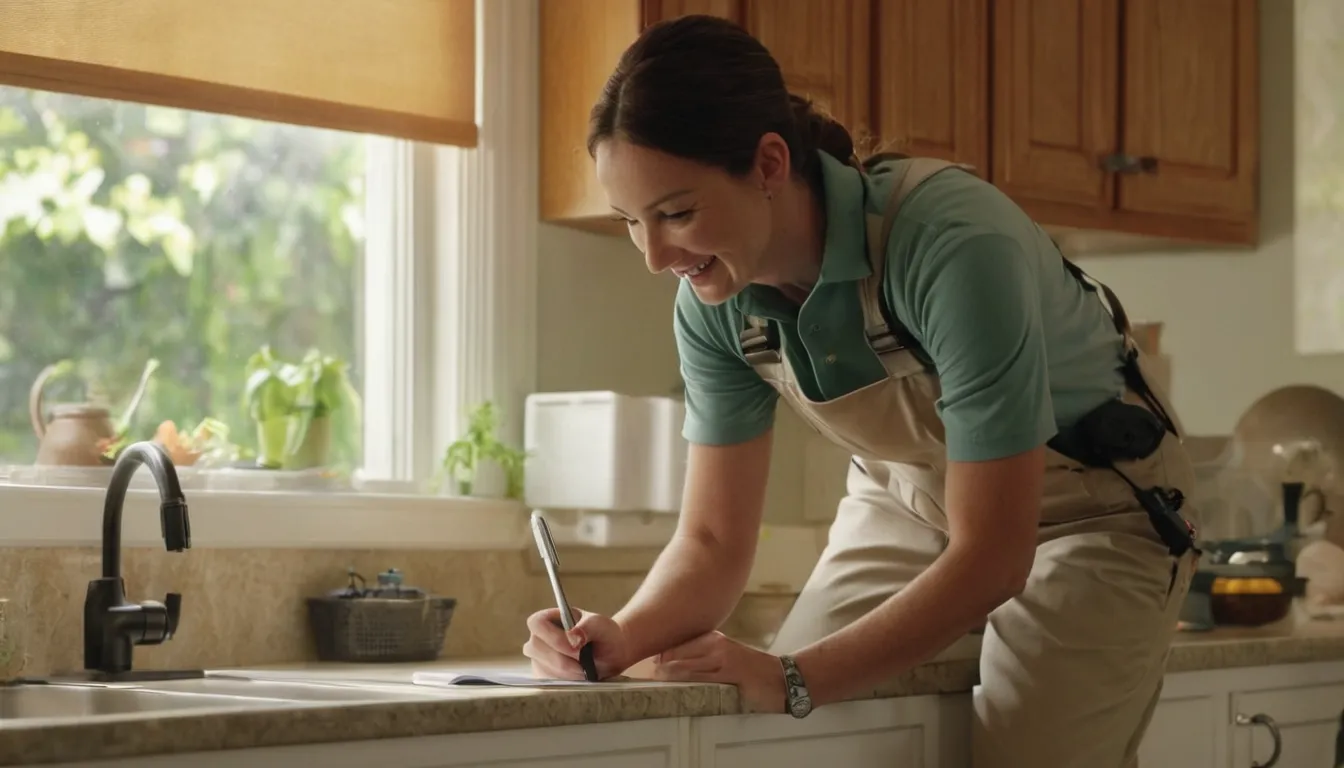
Pest Control for Your Home in Kansas City
Pest problems start small. A few ants at the sink, a spider in the corner, a mouse in the pantry. Left alone, they grow. This page walks you through the process in plain steps, so you know what to check and who to reach.
Domesticthinks Pest Control is a referral service. We do not treat homes ourselves. We connect homeowners in Kansas City and the Kansas City area with independent providers in our network who handle ants, roaches, spiders, crickets, mice, rats, bed bugs and more. The provider inspects, explains the plan, and gives you a written quote. You decide what happens next.
Pests in the House? Use This Checklist
You found ants on the counter, droppings in a drawer, or a roach at midnight. Stay calm and work through a short list.
- Step 1: Identify the pest.
- Step 2: Note where and when you see it.
- Step 3: Get connected with a provider.
- Step 4: Compare the written quote.
If you searched for an exterminator near me, this is the short route. Domesticthinks Pest Control is a referral service. Providers in our network do the treatment and set their own terms.
First, Identify It
A clear description saves time. Write down these details:
- Size, color, and whether it has wings
- Where you saw it: kitchen, basement, attic, wall, bedroom
- How many, and how often
- Signs left behind: droppings, chew marks, sawdust, shed wings, bites
A phone photo helps a provider judge the problem before the visit.
Next, Get Connected
The goal is less searching while the problem is still small. Request a callback to check provider availability. Call hours vary by provider, and many providers can respond quickly.
Prefer to write it out? Use the request form instead.
Why Acting Early Matters
Pests multiply. A few ants become a trail. One mouse becomes a nest. Roaches breed in warm, dark spots you rarely check.
Early treatment is usually simpler. The provider has fewer insects to treat and less damage to repair. Waiting also raises other risks:
- Food contamination in pantries and cabinets
- Chewed wiring and insulation
- Bites, stings, and allergy triggers
- Spread into more rooms
What Pest Control Covers
Residential pest control is more than a spray. A typical visit includes these parts:
1. Inspection. The provider checks entry points, moisture, and nesting spots. 2. Treatment. Products or baits are placed where the pest travels and hides. 3. Sealing advice. Gaps, vents, and door sweeps may need attention. 4. Follow-up. Some plans include a return visit to check results.
Ask each provider exactly which steps are in the quote.
Common Pests Providers Treat
Providers in our network commonly handle:
- Ants: trails in kitchens, nests in walls or yards
- Roaches: active at night, drawn to food and damp areas
- Spiders: webs in corners, basements, and garages
- Crickets: loud indoors, often entering from damp basements
- Mice and rats: droppings, gnawing, scratching in walls
- Bed bugs: bites, small stains on sheets, bugs in mattress seams
Bed bug treatment often needs a plan for bedding and furniture, so ask about prep. Larger wildlife and termites have their own pages.
What You Can Safely Do Yourself
Some steps are fine for any homeowner. They also help the treatment work.
- Wipe up crumbs and spills
- Store food in sealed containers
- Fix drips and dry damp spots
- Empty trash often
- Seal small gaps with caulk
- Move firewood and clutter away from walls
These steps reduce what attracts pests. They rarely remove an active infestation alone.
When to Hand It to a Professional
Stop the DIY effort and ask for help if you notice any of these:
- Pests keep returning after store-bought sprays
- You see them in several rooms
- You have bed bugs
- Droppings or chewing appear in walls or attics
- Children, pets, or allergies make product choices tricky
Providers have inspection tools, commercial products, and training. Mixing store products can also be unsafe, so do not stack them.
Questions About Product Safety
This is a fair thing to ask. Before the visit, ask the provider:
- Which products will be used, and where?
- How long should kids and pets stay out of treated areas?
- Are lower-impact options available for this pest?
- Do I need to cover food or dishes?
Plan to read the product label information the provider can share. Providers set their own safety steps, so follow their written instructions.
One-Time Treatment or Ongoing Plan?
The right choice depends on the pest.
- One-time treatment: often fits a single, clear problem, such as a small ant trail.
- Ongoing plan: often fits repeat visitors, such as roaches and spiders, or homes with many entry points.
Older frame houses, full basements, and damp areas can invite pests after wet springs and humid summers. In cold winters, mice and others move indoors. A seasonal plan may suit these homes. Ask what each visit includes.
Then Compare Quotes
Get the price in writing. Check these items side by side:
1. Pests covered 2. Number of visits 3. Products and prep rules 4. Follow-up terms 5. Total price
There is no obligation to accept a quote.
Helping Treatment Work
Before the provider arrives:
- Clear space along baseboards and under sinks
- Put away food and cover pet dishes
- Note every spot where you saw activity
- Ask what to do with bedding or clothing, if needed
After the visit, follow the provider's instructions. Do not wipe treated areas unless told to. Report new activity so the provider can adjust the plan.
What's Included
Inspection
A provider looks for entry points, nesting spots, and moisture to find where pests are coming from.
Targeted Treatment
Baits, sprays, or traps go where the pest travels and hides.
Sealing Advice
Providers can point out gaps, vents, and damp areas that let pests move in.
Follow-Up Visits
Some plans add a return visit to check results and treat any remaining activity.
Typical Pest Control Costs
Prices vary by pest, home size, and how bad the problem is. These are typical U.S. ranges only. Always ask for a written quote before work starts.
| Item | Typical range | Notes |
|---|---|---|
| One-time general treatment | $100 – $350 | Common for ants, spiders, and crickets |
| Quarterly maintenance plan | $100 – $300 per year | Scheduled visits for repeat pests |
| Roach treatment | $150 – $600 | Heavier infestations may need repeat visits |
| Mouse or rat control | $200 – $700 | Depends on visits and sealing work |
| Bed bug treatment | $300 – $2,000+ | Varies by method and number of rooms |
| Inspection only | $0 – $200 | Some providers include it with treatment |
How It Works
Identify the pest
Note what you see, where, and how often. Take a photo if you can.
Get connected
Request a callback to check provider availability, or send the request form.
Compare quotes
Review the written scope, products, visits, and total price.
Prepare and follow up
Follow the prep list, then report any new activity afterward.
Why Call Domesticthinks Pest Control
Less Searching
One request reaches an independent local provider, so you spend less time comparing random listings.
Clear Steps
You follow a simple checklist from identifying the pest to reading the quote.
Written Quotes
Providers give pricing in writing so you can compare before you decide.
Your Decision
Requesting an estimate carries no obligation to hire anyone.
Other Services
Need pest control in Kansas City?
Describe your pest or wildlife problem through the request form. Or request a callback to check provider availability. A local provider can then follow up with next steps.
No obligationPest Control FAQ
How do I find an exterminator near me?
Describe the pest and where you see it, then call or send the request form. Domesticthinks Pest Control connects you with an independent provider in our network, who inspects and gives a written quote.
Is pest control safe for kids and pets?
It can be, when instructions are followed. Ask the provider which products they use, how long to keep kids and pets out of treated areas, and whether lower-impact options exist.
Do I need a one-time treatment or a regular plan?
A single problem, like a small ant trail, may need one treatment. Repeat pests or older homes with many entry points often do better with a seasonal plan. Ask for both options in writing.
Request a callback
Describe your pest or wildlife problem through the request form. Or request a callback to check provider availability. A local provider can then follow up with next steps.
No obligation